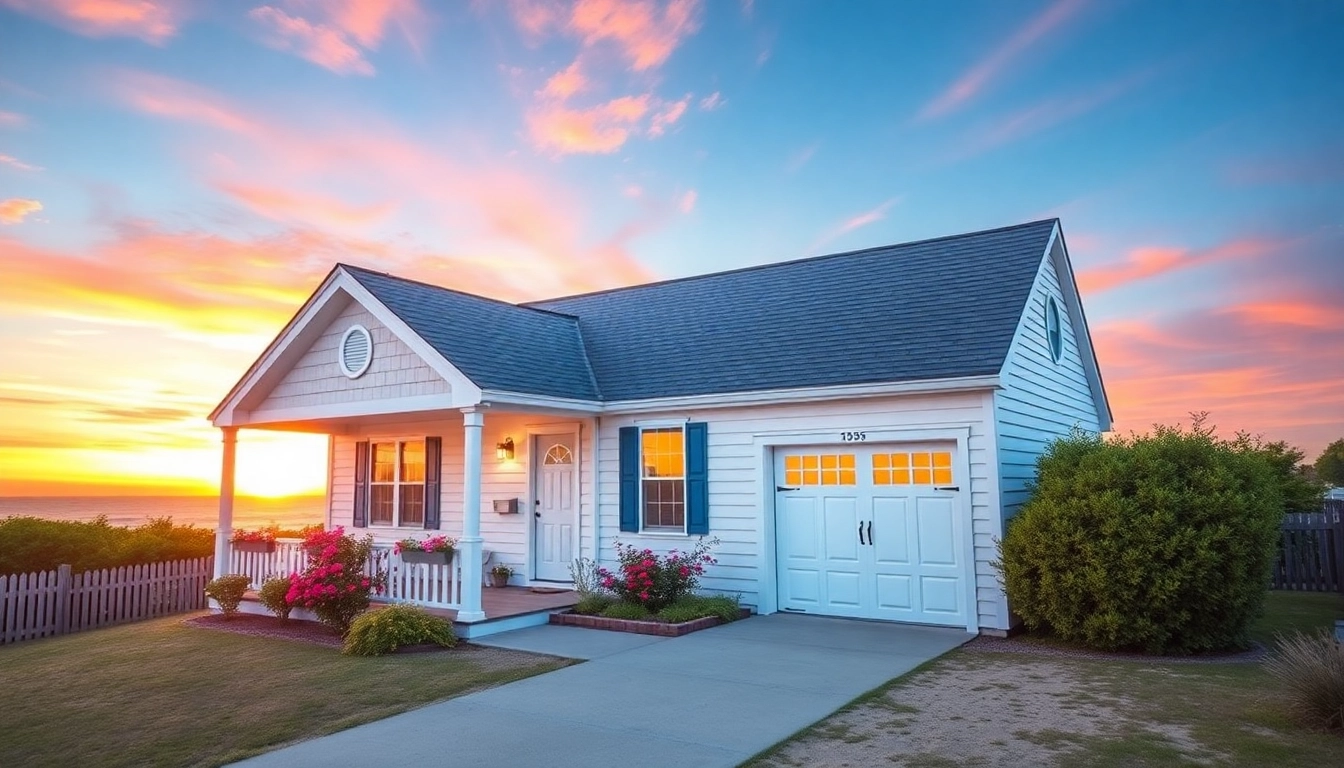
Understanding Cape Cod Homes
History and Architecture of Cape Cod Homes
The evolution of cape cod homes dates back to the early colonial period of America. Originally designed by settlers in the 17th century, these homes reflected the rugged and simplistic lifestyles of the early inhabitants. The architecture was heavily influenced by the need for functionality, with the homes built using readily available materials such as wood and stone. This practical approach gave rise to the characteristic steep roofs, dormer windows, and symmetrically placed front doors, which are notable features of Cape Cod architecture.
Distinctive Features of Cape Cod Homes
One of the defining features of Cape Cod homes is their symmetrical design. Typically one or one-and-a-half stories high, these houses often feature a steep pitch roof that helps in preventing snow accumulation, which is particularly beneficial in the Northeast. The exterior is usually clad in clapboard or shingles. Furthermore, Cape Cod homes frequently incorporate dormers to add natural light to the upper floor, providing added living space without the need for extensive expansions.
Another hallmark is the use of large, centrally located chimneys to facilitate efficient heating, as well as multi-pane windows that not only enhance aesthetic appeal but also improve ventilation. Additional features often include wide eaves and front porches that invite outdoor living, representative of the region’s community-focused lifestyle.
Popular Styles and Variations
Over time, the basic Cape Cod style has diversified into several variations, including the Cape Cod Revival and the expanded or modified versions that adapt to contemporary living needs. The Cape Cod Revival homes, popularized in the early 20th century, often have more elaborate details, such as cornices and decorative moldings, while retaining the traditional elements.
Another popular adaptation is the open floor plan, which maximizes space and fosters connection between rooms, making it a preferred choice for modern families. Variations in color schemes—ranging from daring hues to the classic white—also reflect personal tastes and enhance the charm of these homes.
Planning Your Cape Cod Home Expansion
Identifying Space and Design Needs
When planning an expansion of a Cape Cod home, the first step is to identify current needs and how the home can be adjusted to meet them. Consideration should be given to the number of occupants, lifestyle changes, and potential future needs. This is where a thorough assessment of the existing layout can provide insight into where additional space is necessary, whether it be a new bedroom, larger kitchen, or additional living areas.
Employing a professional architect familiar with Cape Cod design can facilitate this process, ensuring that the expansion respects the traditional aesthetic while meeting modern lifestyle demands.
Choosing the Right Materials
Selecting materials is a crucial aspect of any expansion project. The right materials will not only endure the elements but also add to the home’s aesthetic appeal. Traditional materials like wood siding should be considered for continuity with existing structures, as well as options like fiber cement that provide durability with a similar appearance. Incorporating energy-efficient materials and finishes ensures the home remains cost-effective and environmentally friendly in the long run.
Key Design Considerations for Additions
Careful attention must be paid to the design elements during the planning phase. Expansions should harmonize with the existing architecture in terms of scale, color, and texture. Keeping window and door placements consistent with the original elements will maintain the home’s curb appeal. Moreover, it is vital to conform to local zoning laws and get all necessary permits before proceeding.
Design functionality should also be considered—adding spaces that are practical and accessible while keeping the overall flow of the home intact will enhance livability.
Integrating an Attached Garage
Benefits of Attached Garages
Including an attached garage within your house expansion brings numerous practical benefits. One of the most immediate advantages is convenience; an attached garage greatly simplifies unloading groceries, especially during inclement weather. It also adds valuable storage space, as homeowners can store tools, sports equipment, and seasonal items more easily when integrated within living spaces.
Moreover, attached garages can improve the overall security of your home. The direct access increases safety and keeps the interior safer from theft or vandalism.
Designing Functional Garage Spaces
A well-designed garage should prioritize functionality and space management. Incorporating built-in storage solutions like cabinets and shelving can keep the area organized. Additionally, ensuring that the garage has adequate electrical outlets and lighting can make it multifunctional, allowing for tasks like maintenance or hobby work to be carried out with ease.
Planning for the future is essential too; if a family needs change, the garage can be adapted for varied uses, whether it’s a home gym or extra storage.
Maintaining Aesthetic Harmony
When integrating an attached garage, preserving the aesthetic quality of Cape Cod homes is key. Materials used for the garage should complement the existing home, mirroring texture, color, and architectural lines. Roof pitches should match to maintain visual continuity, and design elements like shutters and window styles should be replicated to ensure the garage feels like a cohesive part of the home rather than an afterthought.
Cost-Effective Renovation Strategies
Budgeting for Home Expansions
Effective budgeting begins with understanding the total costs associated with building and design. This includes not just contractor fees, but also permits, materials, and potential unforeseen costs. A detailed estimate of all potential expenses will help avoid budget overruns, which are common in home renovations. It’s also beneficial to set aside a contingency fund for unexpected changes or structural adjustments that may arise during the renovation process.
Painless Project Management Tips
Project management is a key factor in successful renovations. Establishing a clear timeline and keeping open lines of communication with contractors can help facilitate a smooth process. Don’t hesitate to check progress regularly to ensure that all work aligns with the predetermined goals and standards. Utilizing project management software can also streamline monitoring and organization, keeping all parties on the same page throughout the project.
Financing Options for Home Improvements
When considering financing for home renovations, diverse options exist. Home equity loans and lines of credit can provide necessary funds at lower interest rates compared to personal loans. Furthermore, exploring government-backed loans like FHA 203(k) can offer financial support specifically aimed at home improvements, making renovations more accessible. Working with financial advisers can also help select the best financing route based on individual circumstances.
Frequently Asked Questions about Cape Cod Homes
What defines a Cape Cod home style?
A Cape Cod home is characterized by its simple, symmetrical design, steep roof, dormer windows, and charming clapboard or shingle siding, typically accentuated with a centrally located chimney.
How do I choose the best color for my Cape Cod home?
The best colors for Cape Cod homes often reflect coastal themes, including whites, soft blues, and grays. These hues enhance the home’s natural beauty while harmonizing with the landscape.
What renovations increase the value of Cape Cod homes?
Popular renovations for increasing value include kitchen and bathroom updates, adding energy-efficient windows, and creating open floor plans. Expansions that upgrade living spaces are also beneficial.
Are attached garages a good investment for Cape Cod homes?
Yes, attached garages add convenience, security, and extra storage space, making them a wise investment for Cape Cod homeowners while increasing the property’s value.
What are common mistakes when expanding a Cape Cod home?
Common mistakes include failing to maintain aesthetic consistency, underestimating budget needs, and neglecting local zoning regulations. Thorough planning can mitigate these issues.