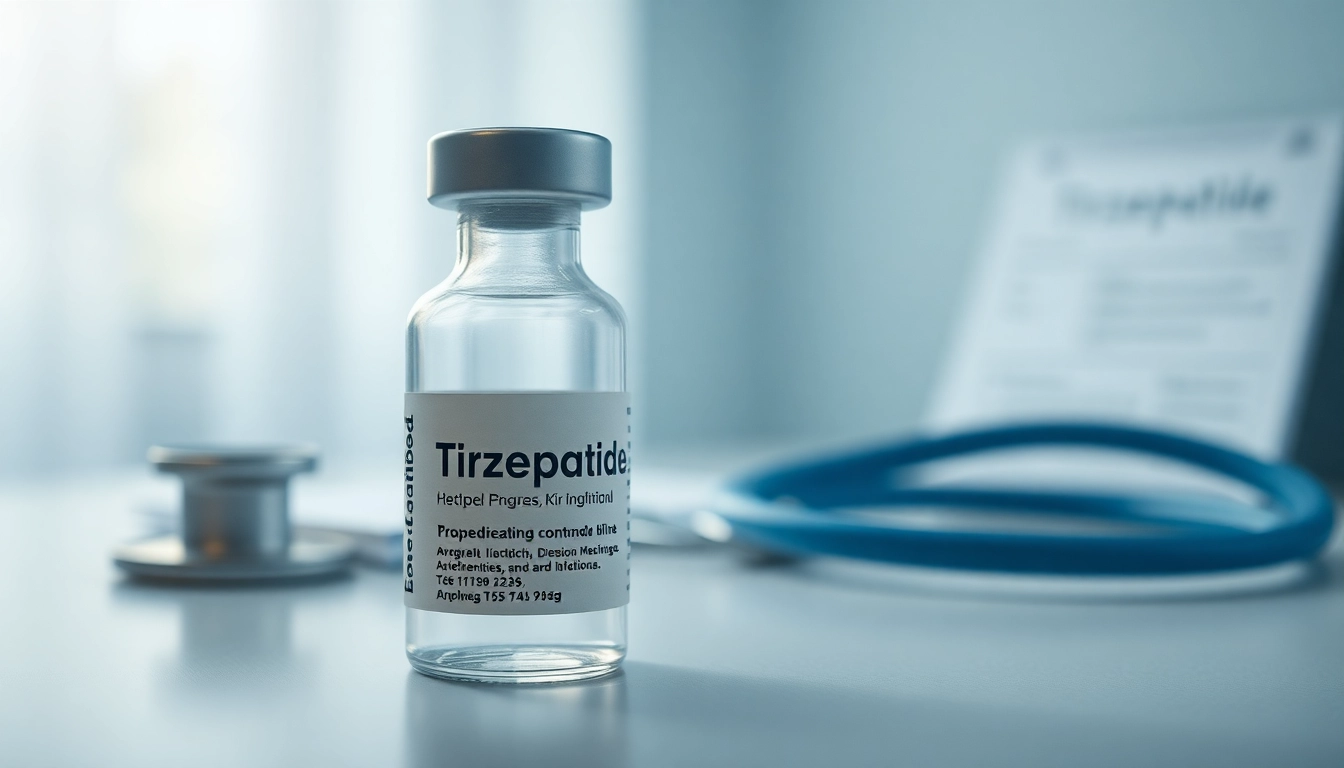
Introduction to Tirzepatide
Tirzepatide is a groundbreaking medication that has garnered significant attention in the sphere of diabetes management and weight control. As a dual-action peptide, it operates through multiple mechanisms to improve glycemic control and facilitate weight loss. Its distinct formulation is designed to target receptors associated with insulin sensitivity and weight management, making it a potential game-changer for individuals living with type 2 diabetes and obesity. The research supporting its efficacy and safety reflects a growing interest in innovative therapeutic approaches to chronic health issues. For those looking to better understand Tirzepatide and its role in diabetes treatment, we delve deeply into its mechanisms, benefits, side effects, and comparative effectiveness.
What is Tirzepatide?
Tirzepatide is a novel injectable medication specifically designed for the treatment of type 2 diabetes. It functions by mimicking the action of naturally occurring incretin hormones, namely GLP-1 (glucagon-like peptide-1) and GIP (gastric inhibitory peptide). These hormones help to regulate blood sugar levels and affect appetite regulation, making Tirzepatide a unique solution that combines the effects of both incretins. Initially developed by the pharmaceutical company Eli Lilly, Tirzepatide has been heralded as an advancement due to its multifaceted approach to managing diabetes.
How Tirzepatide Works
The mechanism of action for Tirzepatide is multifocal. Primarily, it enhances insulin secretion in response to increased blood glucose levels. This helps in managing postprandial blood sugar spikes, which is a critical aspect of diabetic care. Additionally, it suppresses glucagon secretion—another hormone that raises blood sugar levels—thereby further supporting glycemic control. Besides these insulin-regulating benefits, Tirzepatide also promotes a sense of satiety, leading to reduced food intake and consequent weight loss. This dual action positions Tirzepatide as a versatile option for those needing comprehensive diabetes management.
Primary Uses of Tirzepatide
The primary approved use of Tirzepatide is in the management of type 2 diabetes. Patients who have not achieved adequate glycemic control through diet and exercise alone may be prescribed this medication as part of their treatment plan. Moreover, Tirzepatide is also indicated for weight management in individuals with obesity, especially those who have comorbidities related to weight gain. Ongoing research continues to explore its potential use in other therapeutic areas, underscoring the drug's promising versatility.
Benefits of Tirzepatide
Weight Management with Tirzepatide
One of the standout benefits of Tirzepatide is its effectiveness in aiding weight loss. Clinical trials have indicated that patients using Tirzepatide experience significant reductions in body weight compared to those on traditional diabetes medications. The appetite-suppressing qualities of Tirzepatide make it easier for individuals to adhere to a calorie deficit, which is essential for weight management. By incorporating Tirzepatide into a comprehensive weight loss program that includes dietary changes and physical activity, patients have reported substantial improvements in their overall health and quality of life.
Improving Glycemic Control
Glycemic control is critical for individuals living with type 2 diabetes, as elevated blood glucose levels can lead to severe complications. Tirzepatide has been shown to dramatically lower HbA1c levels—an important marker of long-term blood glucose control—making it a valuable addition to diabetes treatment regimens. Patients often see improvements within a few weeks of starting treatment. Furthermore, the flexibility of dosing—ranging from once weekly to tailored solutions based on individual needs—provides healthcare providers with the necessary tools to optimize patient outcomes.
Patient Experiences and Success Stories
The real-world efficacy of Tirzepatide is underscored by numerous patient success stories. Individuals have reported more than just numbers on a scale; many have shared narratives of increased energy levels, improved mood, and enhancements in overall health parameters. Several patients, who struggled with the dual challenges of obesity and diabetes, have alluded to transforming their lives with the use of Tirzepatide, contributing to a growing body of anecdotal evidence that supports the positive impacts of this medication.
Potential Side Effects of Tirzepatide
Common Side Effects
Like all medications, Tirzepatide is not without its potential side effects. Commonly reported adverse reactions include gastrointestinal issues such as nausea, vomiting, diarrhea, and constipation. These symptoms are typically mild and tend to subside as the body adjusts to the medication. However, it is essential for patients to monitor their reactions during the initial treatment period and communicate any persisted issues to their healthcare providers.
Managing Adverse Reactions
Management of side effects can significantly enhance the Tirzepatide experience for patients. Healthcare providers may advise starting with a lower dosage to allow for gradual acclimation to the drug. Additionally, meal timing and composition can influence gastrointestinal side effects; therefore, dietary adjustments may be recommended. Patients are encouraged to maintain open communication with their healthcare team about any side effects for optimal care.
When to Consult a Healthcare Provider
Patients should be vigilant regarding their health while on Tirzepatide. Consulting a healthcare provider is advisable if severe gastrointestinal symptoms occur or if symptoms do not improve after a brief adjustment period. Other concerning signs could include pancreatitis symptoms such as severe abdominal pain or very high blood sugar readings. Regular follow-ups are vital to ensure the efficacy of the treatment and manage any potential side effects appropriately.
Comparative Effectiveness
Tirzepatide vs. Other Diabetes Medications
When comparing Tirzepatide to other diabetes medications, its unique dual-incretin action gives it an edge in both glycemic control and weight loss. Traditional therapies like metformin or sulfonylureas primarily focus on controlling blood sugar but often lack the additional benefit of weight neutrality or loss. Tirzepatide's ability to address both conditions simultaneously caters to a significant unmet need in diabetes management, particularly where weight loss is a goal.
Long-term Efficacy of Tirzepatide
Long-term studies assessing the efficacy of Tirzepatide demonstrate durability in glycemic control and weight loss. Follow-up results from pivotal trials indicate patients sustained much of the weight loss achieved after initial treatment and maintained improved HbA1c levels. These long-term effects represent a promising horizon for healthcare providers and patients looking for stable and lasting solutions to diabetes and obesity.
Patient-Centered Treatment Plans
Developing a patient-centered treatment plan is imperative in diabetes care. The introduction of Tirzepatide allows for a tailored approach, where healthcare providers can consider the individual's health status, lifestyle, and treatment goals. By incorporating Tirzepatide into a broader care strategy that addresses diet, exercise, and behavioral support, diabetic patients can achieve comprehensive management of their condition.
Frequently Asked Questions about Tirzepatide
What is the typical dosage for Tirzepatide?
The typical starting dose for Tirzepatide is 2.5 mg once weekly, which can be increased based on the individual's response and tolerance, up to a maximum of 15 mg.
Can Tirzepatide be used by everyone?
Tirzepatide is generally intended for adults with type 2 diabetes but is not suitable for individuals with a personal or family history of medullary thyroid carcinoma or multiple endocrine neoplasia syndrome type 2.
What are the common side effects?
Common side effects of Tirzepatide include gastrointestinal symptoms like nausea, vomiting, diarrhea, and constipation, typically mild and often decreasing over time.
How quickly can I expect results from Tirzepatide?
Many patients start to notice improvements in blood sugar levels within weeks of initiating treatment, with significant weight loss seen over a few months.
Are there dietary restrictions while using Tirzepatide?
While there are no strict dietary restrictions, adopting a balanced diet can maximize the efficacy of Tirzepatide and enhance weight loss outcomes.